


Mentoring is one of the simplest and highest value actions a business leader can practice. When you coach or mentor someone, you are required to explain ideas clearly, ask better questions, and guide others toward practical solutions. This process does not only help the person being mentored. It also helps the leader grow.
When leaders mentor others, they sharpen their own thinking. Explaining concepts in simple language often reveals gaps in reasoning, decision-making, and communication. These moments help leaders reflect, improve their judgment, and become more confident in the way they lead.
Good mentoring is closely connected to coaching. It is not about telling people what to do. It is about inspiring, guiding, and helping them discover their own answers. A strong mentor listens more than they speak, asks meaningful questions, and encourages people to take ownership of their growth.
These are the same skills needed in effective leadership. Leaders who know how to coach can develop talent, increase team independence, reduce micromanagement, and build stronger performance across the organization.
Practical Coaching Techniques Leaders Can Use
Coaching does not need to be complicated. Leaders can start with simple habits that create real impact over time.
Hold short and regular check-ins.
Weekly 30-minute conversations are often more effective than long meetings that happen only once in a while. Consistency helps build trust and keeps development on track.
Set clear and small goals.
Focus on practical outcomes such as leading a client call, improving a report, handling a team discussion, or delivering a presentation. Small goals make progress easier to measure.
Ask powerful questions.
Instead of immediately giving answers, ask questions such as:
“What outcome do you want?”
“What is blocking you?”
“What options have you considered?”
“What would you try if failure was not an issue?”
These questions help people think deeper and become more accountable for their decisions.
Give timely and specific feedback.
Feedback is more useful when it is clear, direct, and given close to the situation. Point out what worked, what can be improved, and what the next action should be.
Encourage reflection.
After a project, meeting, or challenge, ask the person to summarize what they learned. Reflection helps turn experience into practical learning.
Celebrate small wins.
Recognition builds confidence and momentum. When people feel that their progress is seen, they are more motivated to continue improving.
Building a Culture of Continuous Learning
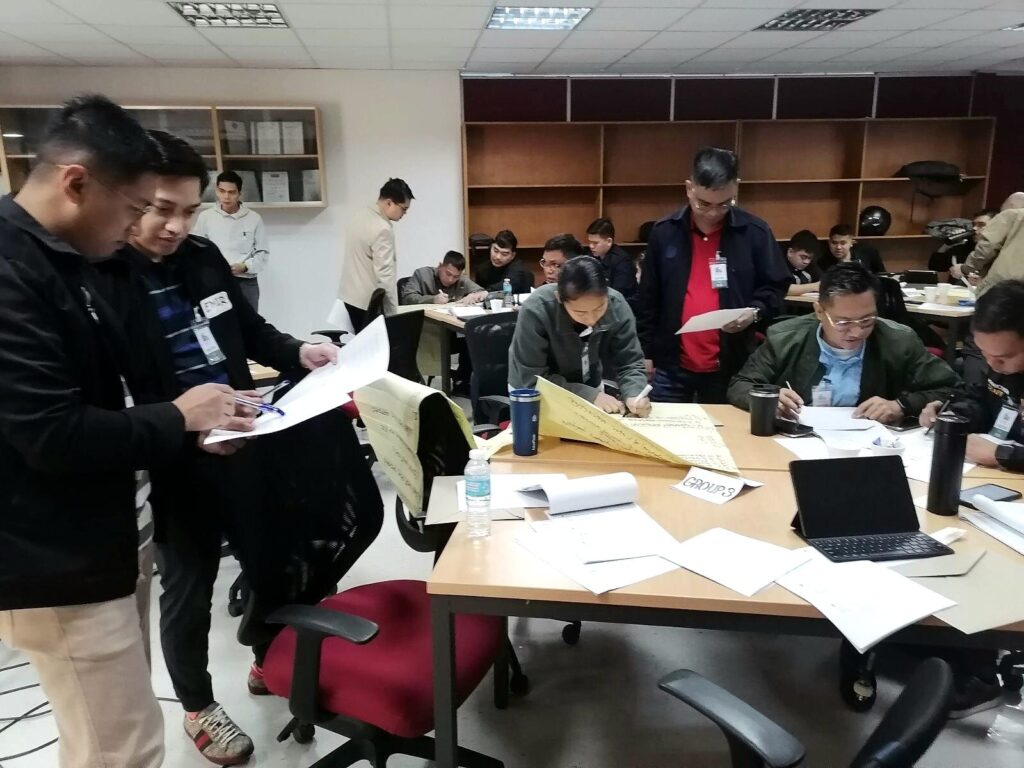
Organizations grow stronger when learning becomes part of everyday work. Leaders can support this by creating opportunities for peer coaching, paired problem-solving, and short knowledge-sharing sessions.
It is also important to protect time for learning. Teams need space to try new approaches, make mistakes, learn from them, and improve. A healthy coaching culture makes people feel safe to ask questions, share ideas, and take responsibility for their development.
To keep learning connected to business results, leaders can track simple indicators such as onboarding time, internal promotions, recurring mistakes, employee confidence, and team performance improvements. These measures help make coaching more intentional and outcome-driven.
Why Structured Coaching and Mentoring Training Matters
While leaders can start coaching with simple habits, structured training helps make the process more consistent. A good coaching and mentoring program teaches repeatable techniques, feedback frameworks, and practical ways to measure progress.
For organizations that want to build stronger leadership and people development practices, Trainosys offers practical training programs like Strategic Leadership Coaching: Navigating Change and Innovation Impact designed to help professionals apply coaching, mentoring, and leadership skills in real workplace situations.
Trainosys’ leadership and mentoring programs focus on building coaching rhythms, improving communication, strengthening feedback skills, and helping leaders support team growth with confidence.
Final Thought
Coaching and mentoring are powerful leadership habits. They help people grow faster, build stronger teams, and create a workplace where learning becomes part of the culture.
Start small. Be consistent. Make coaching part of your leadership rhythm.
When leaders invest in mentoring, they do more than develop others. They also become better listeners, clearer thinkers, and stronger decision-makers. In the end, both the leader and the team grow together.
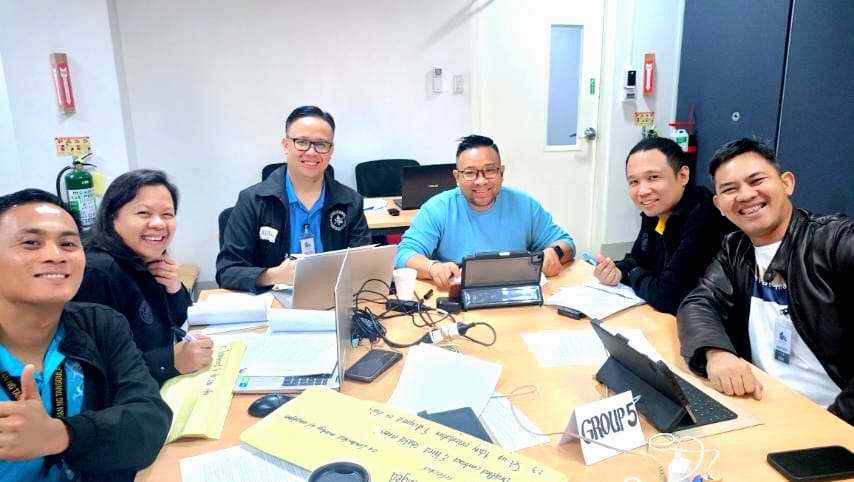
For organizations that want to develop stronger leaders and build a practical coaching culture, Trainosys can help. To inquire about our Coaching, Mentoring, and Leadership training programs, you may email us at [email protected].